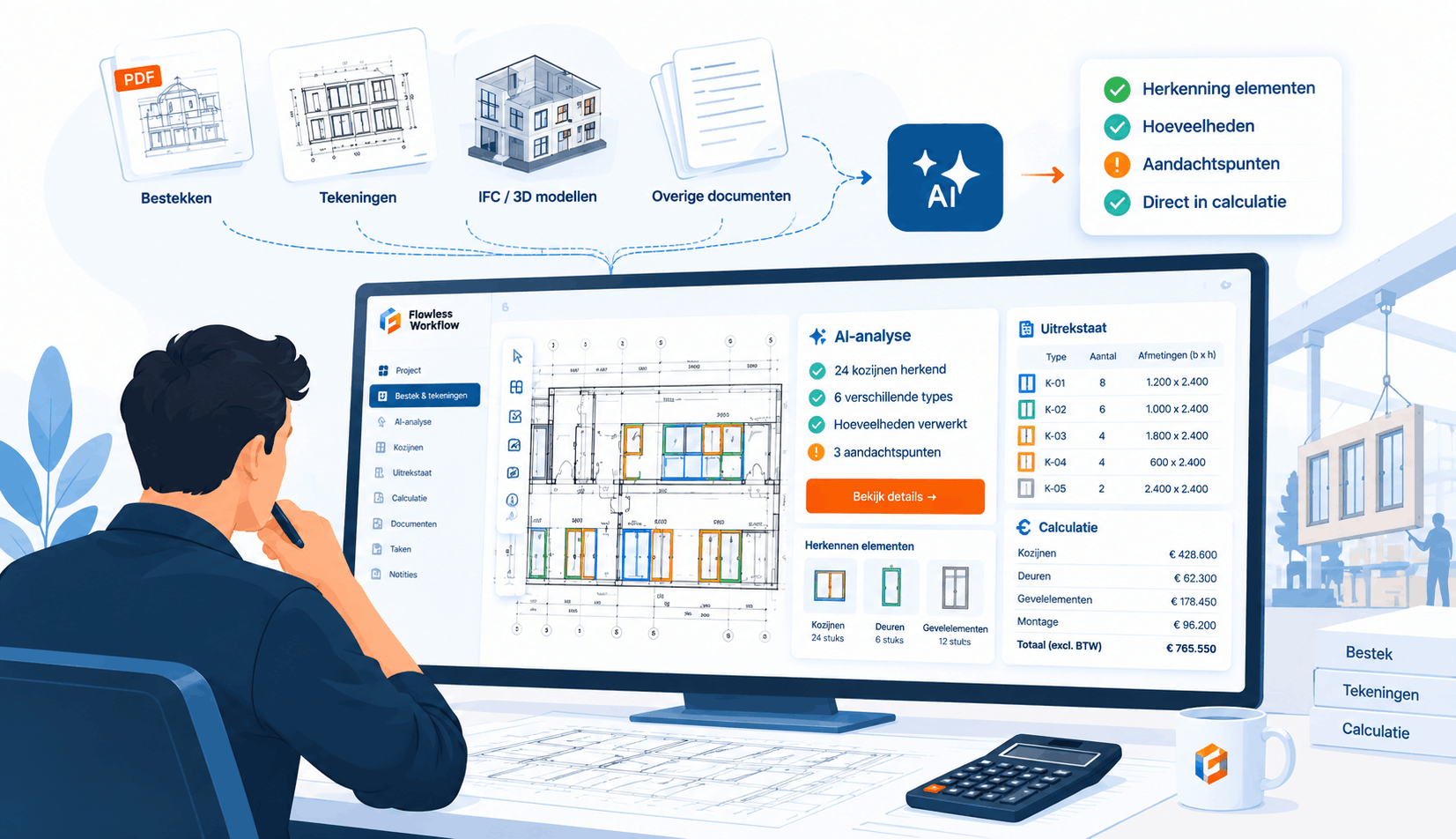
Connecting multiple systems to your data platform
Discover why more and more organizations are connecting their systems to a single central data platform and how this leads to better insights, more efficient processes, and a strong foundation for AI.
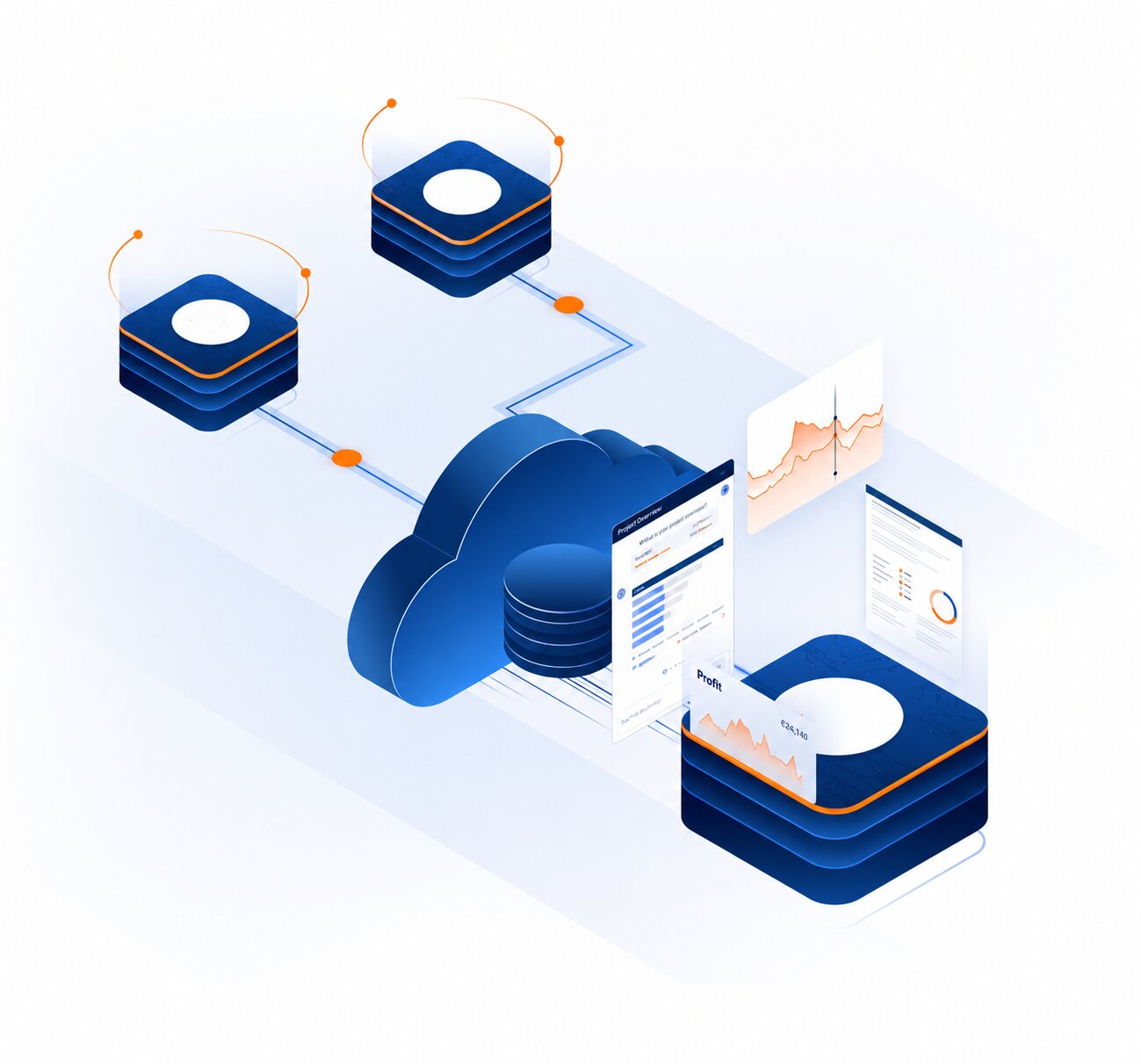
Why more and more organizations are connecting multiple systems to their data platform
Monday morning. A manager wants to know the status of a project. To find out, he has to check the schedule in one system, the time tracking in another, and the financial data in the ERP system. For simple insights, employees have to switch between different applications.
It is a familiar situation. Not because organizations are using the wrong software, but precisely because every application has its own specialty. An ERP system is designed for business processes, a CRM for customer relationships, HR software for personnel information, and a planning system for capacity. Individually, these systems function excellently, but they rarely tell the full story.
This leads to fragmentation. Employees search for information in multiple places, reports are compiled manually, and decisions are made based on incomplete data. This is exactly why more and more organizations are choosing to connect their systems to a single central data platform.
Why one system is rarely enough
Almost every organization today works with multiple software packages. Think of an ERP system, CRM, HR software, a planning tool, or financial administration. Each system contains valuable information and supports a specific business process. However, the real added value only emerges when this information is connected.
An ERP system knows which orders have been placed, but not which account manager is responsible for the customer. A planning system shows what capacity is available, but does not know the financial progress of a project. The CRM contains all customer information, but says nothing about the current schedule or the realized margin. Only when this data comes together does a complete picture of the organization emerge.
A data platform connects systems
It is important to know that a data platform does not replace existing software. A data platform ensures that information from different applications is automatically brought together, so that data is no longer scattered across separate systems. Data from ERP, CRM, HR, planning, finance, and other operational applications are linked into a central source of information. This provides the ability to gain insights across the data contained in the various systems.
Practical examples
ERP and CRM
By combining order information from the ERP system with customer data from the CRM, you gain insight into revenue, margins, customer value, and commercial performance. This makes it clear not only what has been sold, but also which customers and projects actually yield the highest returns.
ERP and planning
Linking project information to your schedule provides real-time insight into capacity, lead times, and project progress. This allows organizations to identify bottlenecks earlier and adjust course more quickly.
HR and planning
By combining personnel data with project planning, it becomes immediately clear where capacity is available and which teams are becoming structurally overloaded. This helps organizations deploy employees more efficiently and distribute workloads more effectively.
Finance and operations
Financial results become much more meaningful when combined with operational data. This enables organizations to manage not just revenue, but also profitability, efficiency, and project performance.
Documents and ERP
Documents can also become part of a data platform. With our Doc2Data solution, information from specifications, resumes, certificates, forms, and other documents is automatically converted into structured data. This information is then made immediately available within existing systems, eliminating manual data entry and making processes faster and more reliable.
Ready to get more out of your data?
Many organizations start with a single integration, but soon discover how much extra value is created when multiple systems are connected. Curious about which data sources within your organization would be interesting to link? We would be happy to brainstorm with you and show you how similar organizations have expanded their data platform step by step into a single central source of information for Business Intelligence and AI.
Sign up for our newsletter
Every month, we'll send you one email full of smart insights about data-driven work, AI applications and software choices that really help you.
Related articles
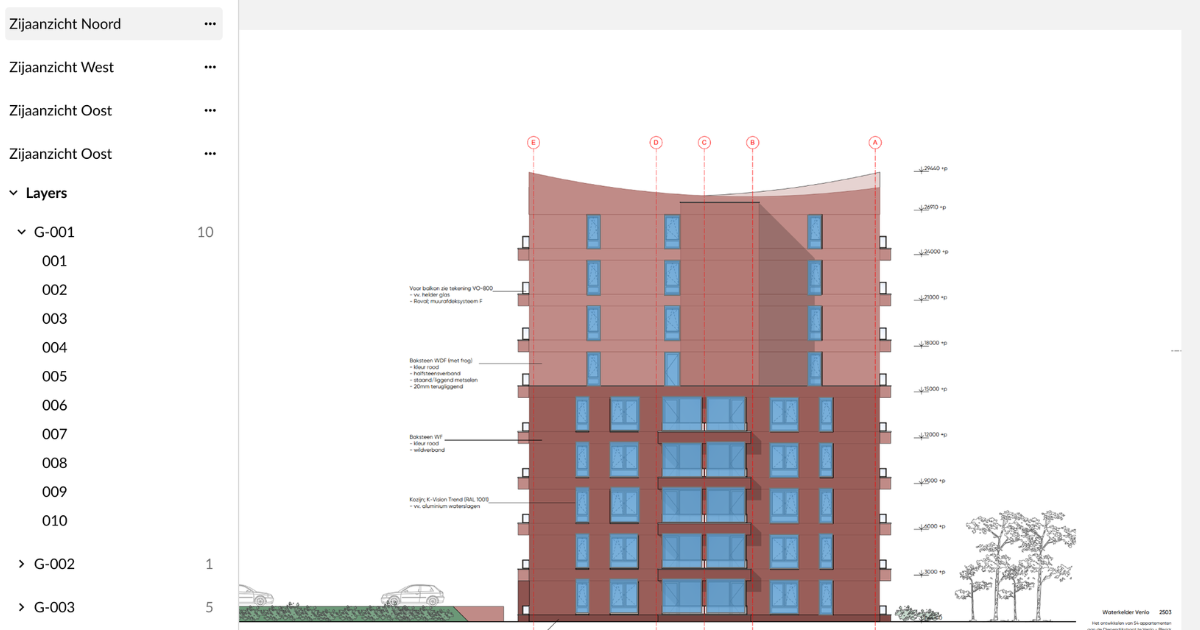
Construction estimation software primarily helps with calculating costs, hours, materials, markups, and margins. AI assists by analyzing project information from various sources simultaneously and providing actionable input for the rest of the estimation process.