The Future of Business Intelligence
Curious about what business intelligence is exactly, but especially what it can do for your company? In this blog, we'll explain it!

The future of business intelligence
How structured data and connected systems are driving the next wave of innovation
A digitized society with a gold mine of data
Today, we live in a society where most of our daily traffic takes place digitally. We no longer schedule appointments in a paper agenda, because our schedule can now be found online and can even be shared with others. And data is no longer kept manually, because almost all our data is now stored digitally. Besides that, of course, this saves a lot of time and paperwork, there is also another major advantage: you can extract an awful lot of useful information for your organization from your data. We also call this useful information business intelligence.
What is business intelligence?
What exactly does business intelligence mean? Business intelligence is the process of collecting, analyzing, and interpreting data to gain valuable insights into your organization that can help make important decisions. It helps companies optimize their performance and improve their competitiveness.
To be able to apply business intelligence, data first needs to be done. digitized are collected from various sources, such as internal business systems, social media and external market information. These are then analyzed in order to actually extract useful information from them, because separate data doesn't say much. Analyzing the dates can be done by using BI tools and technologies, which provide you with insights such as trends, patterns, and relationships. These insights can then be used to make strategic and operational choices based on facts.
Collecting data with connected systems
To be able to apply business intelligence properly, it is important that you collect the data you need for this. Where it used to be all done manually, this is no longer necessary in our digitized way of working. After all, almost all information is online. But in order to collect this data properly, different systems must be linked to each other. Indeed, within almost every company, the data is located in many different places. For example, consider your ERP system, CRM package, supply chain management systems, and so on.
In order to be able to analyse data properly, it is important to have it come together in one central location. However, it is an awful lot of work to manually collect and merge all this data. That is why linked systems are the solution for this. For example, you can use cloud-based technologies and APIs, which ensure that data from various sources can be collected and integrated, providing a complete picture and monitoring and analyzing key performance indicators in real time. This way, as a company, you can identify trends and insights and thus improve your performance. For example, a company that connects its production system to its supply chain management system can optimize production schedules and inventory levels, reduce costs and improve delivery times. In addition, the benefits of connected systems go beyond internal operations alone. This allows you, as a company, to work more effectively with partners and suppliers, offering even more new opportunities for innovation and growth.
ESG and CSRD dashboarding services
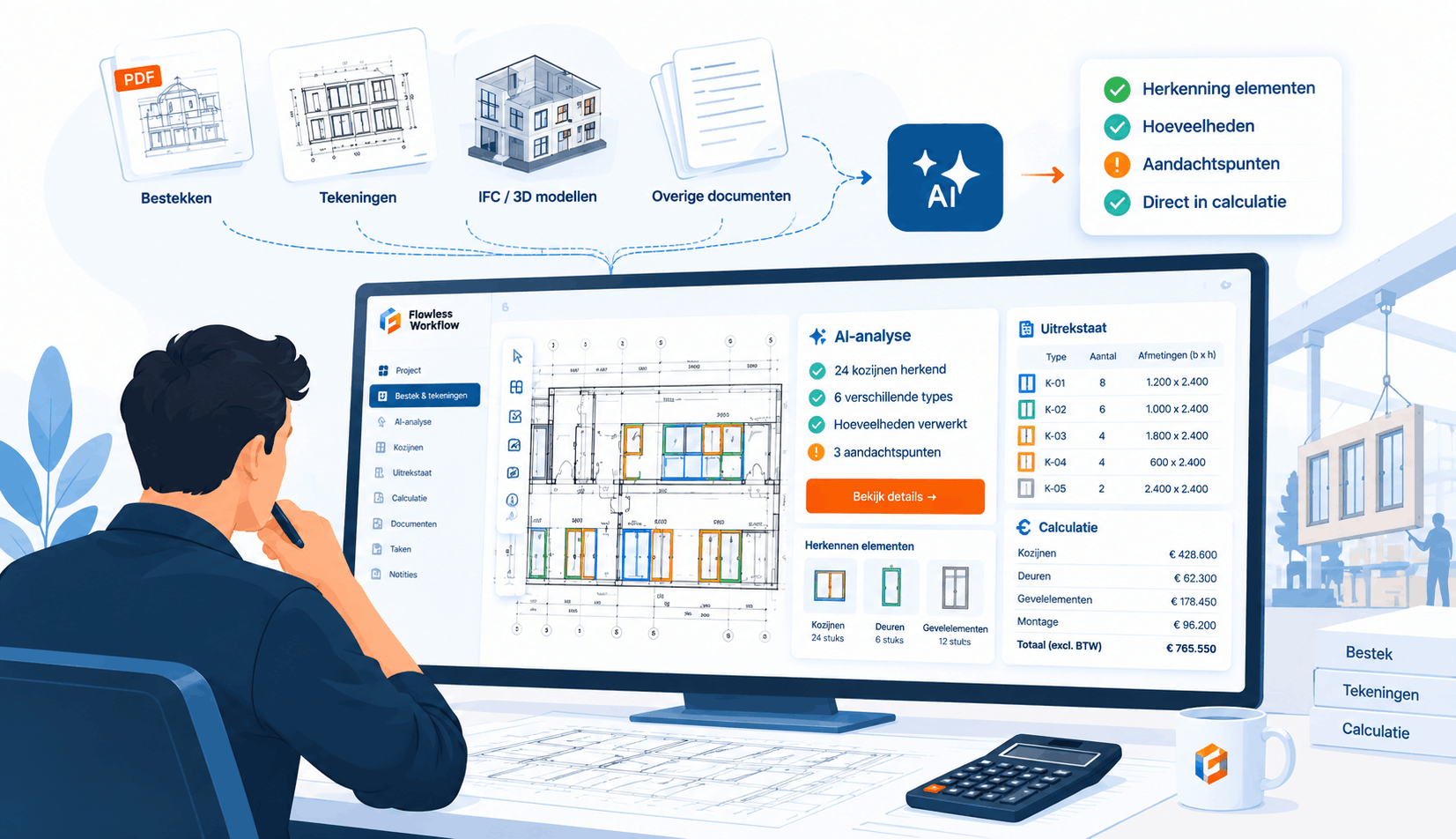
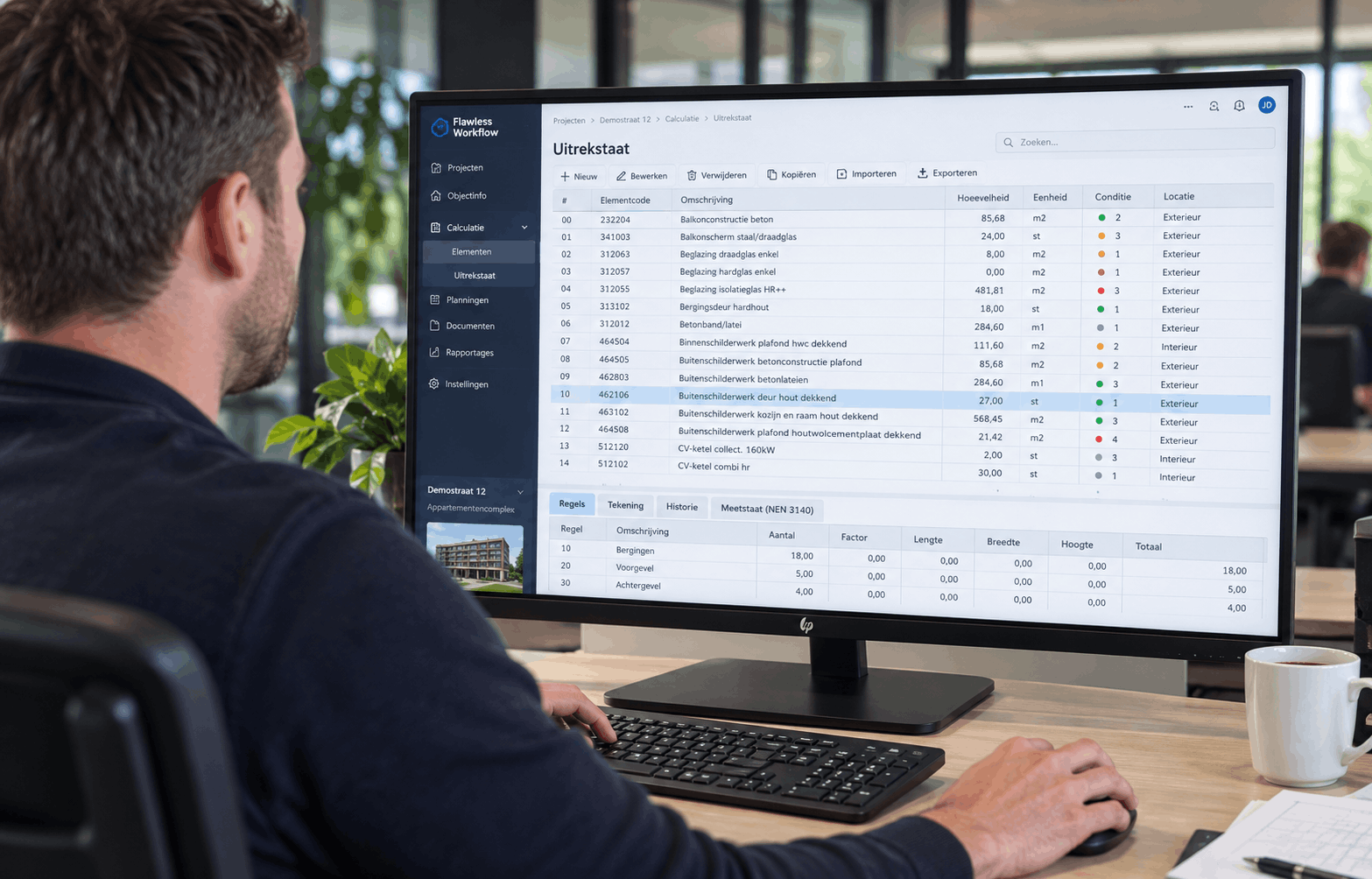
Flawless Workflow offers an all-in-one solution for your ESG data needs. Our services include setting up a data warehouse, integrating various data sources, and turning raw data into useful insights.
The importance of structured data
In order to properly analyze the collected data, it is important that the data is structured in the correct format. After all, data is the foundation of business intelligence. In order to structure data properly, it is important that this is done in a standardized way. Various tools and technologies are available for this purpose, such as using data warehouses.
Well-structured data has many advantages. By monitoring your customer behavior through structured data, for example, you can identify the trends and preferences of your customers. Based on these insights, you can then set up targeted marketing campaigns and optimize customer satisfaction.
Another benefit of structuring your data is that it also helps prevent errors and inconsistencies in decision-making. After all, this way, everyone has access to the same data sources and analysis methods.
Business intelligence tools
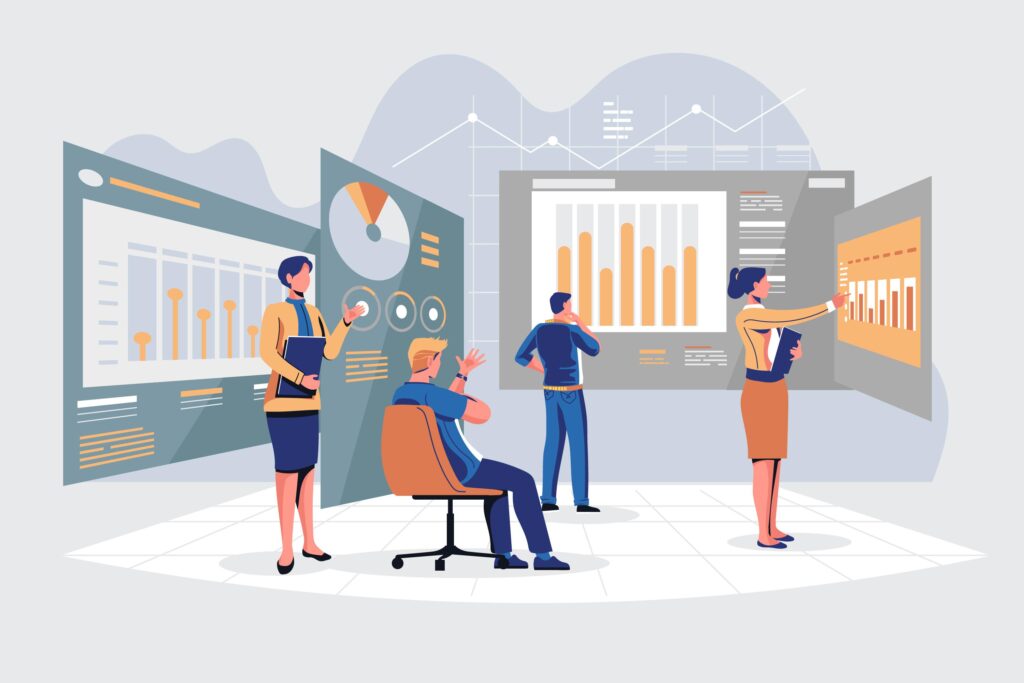
When systems are connected and data is structured, you as a company are ready to get started with business intelligence. There are a lot of different tools that can help you turn the data into valuable insights. So offers SAP Business intelligence, for example, offers many options when it comes to analyzing data such as machine learning, planning and real-time predictive analysis. But also MicroStrategy is a handy tool. This offers you fast dashboard capabilities that allows you to discover trends and identify opportunities. And so there are a lot of more suitable tools, each with their own benefits. Which one is best for your business depends on various factors, such as the types of data, the complexity of the data, and the goals you have.
The future of business intelligence
Although business intelligence is innovative in its own right, there is also constant innovation in this field. We are moving towards an increasingly automated and integrated future, with a greater focus on real-time insights and predictive analysis. This enables you, as a company, to respond more quickly to changes in the market.
As data continues to grow in volume and complexity, more and more companies are focusing on automation and machine learning to process these large amounts of data. For example, you already see AI chatbots regularly passing by that answer customer questions. And algorithms have already reached the point where they can analyze customer behavior so well that marketing and product recommendations can be increasingly personalized.
So business intelligence continues to evolve with new technologies and approaches. There are therefore many great opportunities for companies to use the full potential of their data, optimize decision-making and constantly respond to market developments.
Applying business intelligence
Do you also want to apply business intelligence within your organization? Our experts are happy to help you set up a strategy, structure and automate your data flows and create an optimal data-driven way of working!
Sign up for our newsletter
Every month, we'll send you one email full of smart insights about data-driven work, AI applications and software choices that really help you.
Related articles