Combining knowledge and data expertise within the housing associations sector
In the dynamic world of housing corporations, the ability to deal effectively with data is becoming increasingly crucial. The enormous amount of available data offers unprecedented opportunities to optimize processes, support strategic decisions and improve services to tenants.

Introduction
In the dynamic world of housing corporations, the ability to deal effectively with data is becoming increasingly crucial. The enormous amount of available data offers unprecedented opportunities to optimize processes, support strategic decisions and improve services to tenants. From rent arrears and maintenance needs to property management and customer satisfaction, data plays a central role in the daily functioning of housing associations.
At the same time, professional knowledge is indispensable. The expertise of professionals who understand the specific regulations, challenges and needs of the housing association sector is essential to interpret and use data properly. The combination of data expertise and professional knowledge makes it possible to collect data, but also to use it effectively for improved decision-making and operational efficiency.
The purpose of this blog is to explore how housing associations can integrate data expertise and professional knowledge to be ready for the future of the sector. We discuss the challenges of separate expertise, the need for integration, strategies for successful implementation, and practical examples of housing associations that have already successfully achieved this integration. By sharing these insights, we hope to help housing associations use the full potential of their data and expertise, thereby contributing to a future-proof and efficient organization.
The challenges of separate expertise
Housing corporations face the challenge of bridging the gap between technical data expertise and professional knowledge. Both domains have their own strengths and limitations, which can never use the full potential of the data and insights without effective integration.
Technical data experts
Technical data experts are professionals who are skilled in data management, analytics, and IT systems. They have the skills to collect, analyse and interpret large amounts of data. However, these experts often miss the specific context and nuances of the housing association sector. Without a deep understanding of the sector, it can be difficult to translate data into valuable insights and practical solutions that meet the specific needs of housing associations.
Professional specialists
Professional specialists have in-depth knowledge of the regulations, processes and challenges within the housing association sector. They understand the day-to-day realities of managing properties, dealing with tenants, and complying with legal obligations. While they are highly capable of navigating the sector, they don't have the technical skills to make the most of data. As a result, they can have trouble seeing the potential for the value of the data and using it for strategic decision making.
The gorge
The separation between technical data expertise and professional knowledge can lead to inefficient processes, missed opportunities and poor decisions. Without effective cooperation and integration of these domains, housing associations can struggle to make full use of their data and that can jeopardize the organization's future-proofing.
To bridge this gap, it is essential to develop a strategy that brings both areas of expertise together.
The need for integration
In current practice for housing associations, there are a limited number of ERP systems available. These are supplemented with various other software solutions. This combination often leads to a fragmented data environment, which makes data integration important. Only which data do you want to see where? How can I get this data to the right place? These issues highlight the need to integrate data expertise and professional knowledge.
ERP systems and best-of-breed solutions
Housing associations often use a combination of their ERP system and stand-alone best-of-breed solutions to meet their specific needs. While ERP systems offer a wide range of functionalities, best-of-breed solutions are used for specialized tasks such as maintenance management, rent collection, and customer relationships. This leads to a data environment where data is spread across different systems. Integrating this data helps to get a complete picture of the organization and its activities.
Data centralization in a data warehouse
Centralizing data in a data warehouse is crucial for housing associations. A data warehouse collects data from various sources, creating a single source of truth. This makes it possible to perform consistent and reliable analysis, which is essential for informed decision making. By centralizing data, housing associations can better respond to the needs of their tenants and work more efficiently.

Improved decision making
Combining data expertise with professional knowledge enables housing associations to make informed decisions. Data experts can perform complex data analyses and generate valuable insights, while subject matter specialists can interpret and apply these insights within the context of the sector. This leads to better-informed decisions that take into account both the technical possibilities of the data and relevance to the sector, which is crucial for strategic planning and operational efficiency.
Innovation and Efficiency
An integrated approach promotes innovation and increases the efficiency of internal processes. By combining data expertise and professional knowledge, housing associations can develop new and innovative solutions that improve their business operations. This can range from advanced predictive analyses for maintenance to more efficient rental collection processes.
Better service
Accurate data, combined with sector insights, leads to improved service and maintenance. By using data effectively, housing associations can proactively respond to the needs of their tenants, resulting in higher tenant satisfaction. Data on tenant behavior, maintenance needs, and payment patterns can be analyzed to provide personalized and timely solutions. This not only improves services, but also contributes to building trust and long-term relationships with tenants.
In short, by centralizing data, promoting collaboration and using technology, housing associations can improve efficiency, stimulate innovation and offer better service to their tenants. You just have to start with data quality.
Start at the beginning: data quality
The importance of data quality cannot be overstated in the context of data-driven work. Without reliable and accurate data, housing associations cannot make informed decisions, which negatively affects their operational efficiency and strategic goals. Here are the key aspects that housing associations should consider when working on data quality.
Importance of data quality
Data quality is the backbone of a data-driven organization. Poor data quality can lead to wrong decisions, inefficiencies, and a lack of trust in the data. To be successful in data-driven initiatives, housing associations must invest in improving and maintaining their data quality. This includes ensuring the accuracy, completeness, consistency, and timeliness of the data.
Aedes roadmap
Aedes, the trade association for housing corporations, has developed an extensive roadmap to help corporations improve and maintain their data quality. This step-by-step plan offers a structured approach for evaluating current data quality, identifying flaws and implementing improvement measures. The roadmap includes various phases, from determining quality criteria to monitoring and managing data quality in the long term.
Standardisation Initiatives
In addition to following a structured roadmap, it is important for housing associations to make use of existing standardization initiatives. These initiatives help to unify data and facilitate data exchange between different systems and organizations. Some of the key standardization initiatives include:
- Standard Business Reporting (SBR): SBR is a standard for the digital exchange of business information between companies and the government. Using SBR helps streamline reporting processes and improving data quality.
- Ledger Schedule Reference (RGS): RGS is a standardized chart of accounts that forms the basis for financial administration. By using RGS, housing associations can better structure and compare their financial data.
- Corporation Reference Architecture (CORA): CORA provides a frame of reference for the organization of business processes and IT architecture within housing associations. Using CORA helps to improve the efficiency and effectiveness of processes.
- Housing Reference Architecture (VERA): VERA is a frame of reference that has been specifically developed for the public housing sector. It supports housing associations in standardizing their data and processes, improving data exchange and collaboration.
By investing in data quality and making use of these standardization initiatives, housing associations can lay a solid foundation for their data-driven transformation. This enables them to make better-informed decisions, increase operational efficiency, and achieve their strategic goals.
Are you working on the CSRD and ESG? Download our e-book
The role of open data
Availability and use of open data
Open data plays a crucial role in improving the efficiency and effectiveness of housing associations. From basic records of the Dutch government, such as the Basic Registration of Addresses and Buildings (BAG), spatial plans, and the Public Services on the Map (PDOK), more and more relevant data is becoming available for housing associations. This data provides valuable insights that can be used for various applications, such as managing properties, planning maintenance and renovations, and improving tenant services.
In addition, the government is working on the Digital System Environmental Act, which will contain all the information necessary for the implementation of the Environmental Act. This enables housing associations to make better-informed decisions about their real estate portfolio and the impact of spatial developments on their homes. By using this open data, housing associations can work more efficiently and respond better to the needs of their tenants.
Visualizations and Linked Open Data (LOD)
Data visualization is essential to make complex data understandable and accessible to various stakeholders within a housing association. By displaying data visually, trends and patterns can be identified more easily, leading to better decision making. To visualize data, housing associations can use various data sources and link them to each other. This can be done, for example, by combining data from the corporation with open data, such as information about the neighborhood or environmental factors.
Linked Open Data (LOD) offers more advanced options for data linking and visualization. LOD technologies enable housing associations to easily link, enrich, find and visualize data. This makes it possible to collaborate with other parties and benefit from enriched data that is more useful and relevant to everyone. By using LOD, housing associations can not only improve their internal processes, but also gain valuable insights that help them achieve their strategic goals.
Practical example of open data
An inspiring practical example of using open data comes from housing associations, which successfully use data from the Basic Registration of Addresses and Buildings (BAG). This data can be combined with energy performance and maintenance history data. By setting up a central data warehouse in which data from the BAG, energy suppliers and internal maintenance systems are collected and linked. This combined data is then visualized in interactive dashboards, providing a clear overview of the energy performance of their entire real estate portfolio. An integration that leads to significant improvements in their property management and energy savings initiatives.
In conclusion, using open data helps housing associations optimize their property management, achieve energy savings and proactively manage maintenance. This application of advanced visualization techniques and Linked Open Data technologies improved their internal processes and also contributed to a more sustainable and efficient organization.
How Flawless Helps
“Data is the new gold, managing your data effectively is complex but essential.”
At Flawless Workflow, we offer a strategic partnership that takes you on the journey from not (fully) using your data to becoming an advanced data-driven organization that uses artificial intelligence where possible. This is how we work:
Data Strategy
Needs analysis: The process starts with a thorough analysis of the current situation and specific needs of the housing association. This includes identifying goals, challenges, and the data sources needed. By carefully identifying the needs of the housing association, Flawless Workflow can get a clear picture of what it takes to support the organization in their data-driven transformation.
Formulate a strategy: Based on the analysis, Flawless Workflow develops a customized data strategy that matches the corporation's strategic goals. This strategy focuses on efficiently managing and using data to improve operational efficiency, support strategic decision making and promote innovative solutions.
Advanced data sources
Data integration: Flawless Workflow helps housing associations integrate various data sources into a central data warehouse. This ensures a consistent and reliable source of truth. With the data from various systems, housing associations get a complete picture of their activities and performance.
Data analysis and visualization: Using advanced analysis tools and visualization software, Flawless Workflow makes the data transparent and usable for decision-making. This enables housing associations to identify trends and patterns, leading to better informed and informed decisions.
AI and machine learning applications
Predictive analytics: Flawless Workflow implements predictive analytics to identify future trends and needs. These predictive analyses help housing associations proactively respond to maintenance needs, prevent rent arrears and improve their services to tenants.
Automation: Through AI and machine learning, repetitive and time-consuming processes are automated. This enables employees to focus on strategically important work and increases the operational efficiency of the housing association.
Support and change
Support and coaching: The experts at Flawless Workflow are ready to provide support and coach so that the housing association can get the most out of their data-driven initiatives. This continuous guidance helps to overcome challenges and optimize processes.
Change Management: Change is difficult for any organization, but as your strategic IT partner, we support you in managing this change. We limit the challenges that may arise and train your employees at every level.
Continuous improvement
Monitoring and Evaluation: Flawless Workflow helps to continuously monitor and evaluate data processes. This ensures that the housing association continues to benefit from the latest technologies and methodologies, and that the solutions continue to meet the changing needs of the organization.
With this structured approach, Flawless Workflow supports housing corporations in effectively combining data expertise and professional knowledge, making them ready for the future of the sector.
Ready to harness the power of data and expertise?
Get in touch with Flawless Workflow today and find out how we can transform your housing association into a future-proof, data-driven organization.
Sign up for our newsletter
Every month, we'll send you one email full of smart insights about data-driven work, AI applications and software choices that really help you.
Related articles
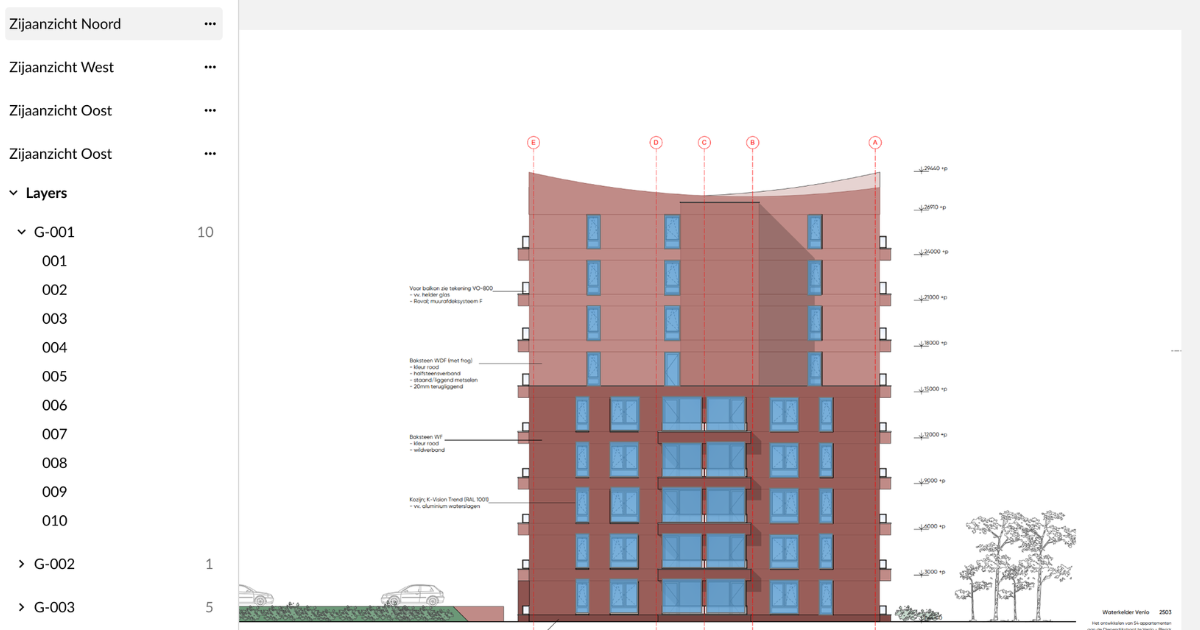
Construction estimation software primarily helps with calculating costs, hours, materials, markups, and margins. AI assists by analyzing project information from various sources simultaneously and providing actionable input for the rest of the estimation process.