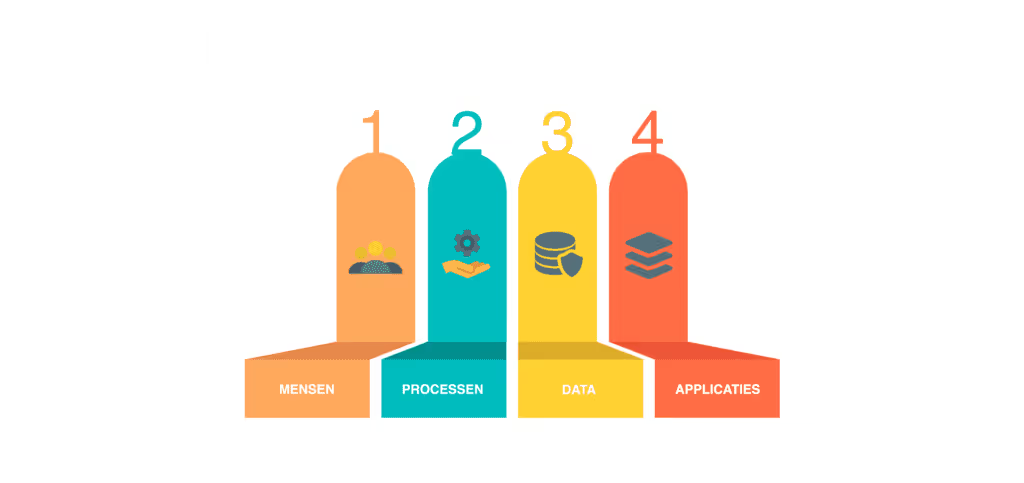
Four Pillars of Modern Business Technology
The four pillars of Modern Business TechnologyPeople, processes, data and applications.

Four pillars
People, processes, data and applications form the core of modern business technology. Each of these pillars plays a decisive role in the success of companies in various sectors. This blog delves deeper into each of these four themes and shows what impact avoiding them can have on your organization.
people
The people pillar includes the human aspect of business technology, including employees' skills and expertise, as well as their ability to adapt to new technologies and processes. People are vital to the success of technological innovations because they are responsible for implementing, maintaining and using the technology.
When companies avoid focusing on this pillar, they can face challenges such as a lack of qualified staff, reduced employee morale, and resistance to change. A lack of qualified staff can lead to failure to achieve technological goals, while low morale can reduce productivity. Resistance to change can lead to hesitation in accepting new technologies.
Processes
The process pillar refers to the business processes and workflows that are made possible by technology, such as supply chain management, customer service, finance, and human resources. Processes are critical to the success of any business technology because they determine how technology is used to achieve business goals.
When companies don't focus on the process pillar, they can face challenges such as unnecessary duplication of work, non-standardized processes, dismissal and unclear responsibilities. Inefficient processes can result in a waste of time and resources, reduced productivity and increased costs. Missed opportunities can lead to financial losses and competitive disadvantage.
Dates
The data pillar refers to the data that is available within the organization and systems are used to guide business decisions. Data is a crucial source for providing insight into customer behavior, market trends, and business performance.
When companies don't focus on the data pillar, they can face challenges such as inaccurate or incomplete data, limited insights, and data breaches. Inaccurate or incomplete data can lead to poor decision-making and missed opportunities. Limited insights can result in a lack of understanding customer behavior or market trends, and data breaches can cause legal consequences and reputational damage.
Appliques
The application pillar refers to the software and applications that are used to enable business processes and workflows. Applications are critical to the success of any organization because they provide the tools and functionality needed to achieve business goals.
When companies don't focus on the application pillar, they can face challenges such as limited functionality, poor integration, and security vulnerabilities. Limited functionality may result in applications that do not meet the needs of the company and its customers. Poor integration can lead to inefficiency and data silos, and security vulnerabilities can lead to data breaches or other cyber threats.
Final thoughts
The four pillars of modern business technology are essential to the success of companies in various sectors. By focusing on people, processes, data and applications, companies can achieve numerous benefits, including improved efficiency, a better customer experience and positive business results.
Your organization can achieve the best results by organizing these four pillars in the best possible way. Our consultants are there for you and are happy to advise you on how to make the most of them to take your business to greater heights.
Want to know more about the four pillars of modern business technology? Don't hesitate and schedule an appointment with one of our consultants.
Sign up for our newsletter
Every month, we'll send you one email full of smart insights about data-driven work, AI applications and software choices that really help you.
Related articles

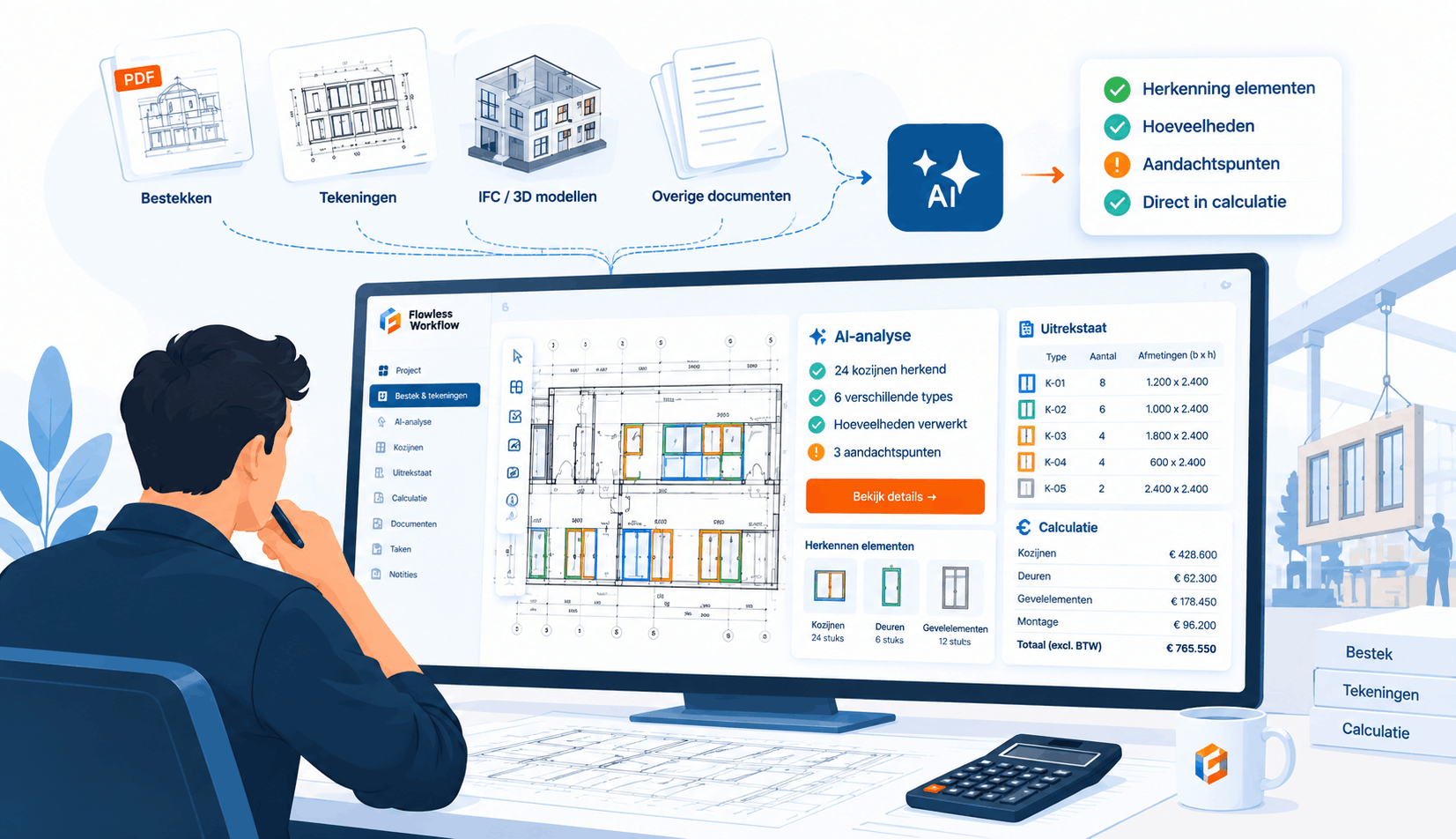
Construction estimation software primarily helps with calculating costs, hours, materials, markups, and margins. AI assists by analyzing project information from various sources simultaneously and providing actionable input for the rest of the estimation process.